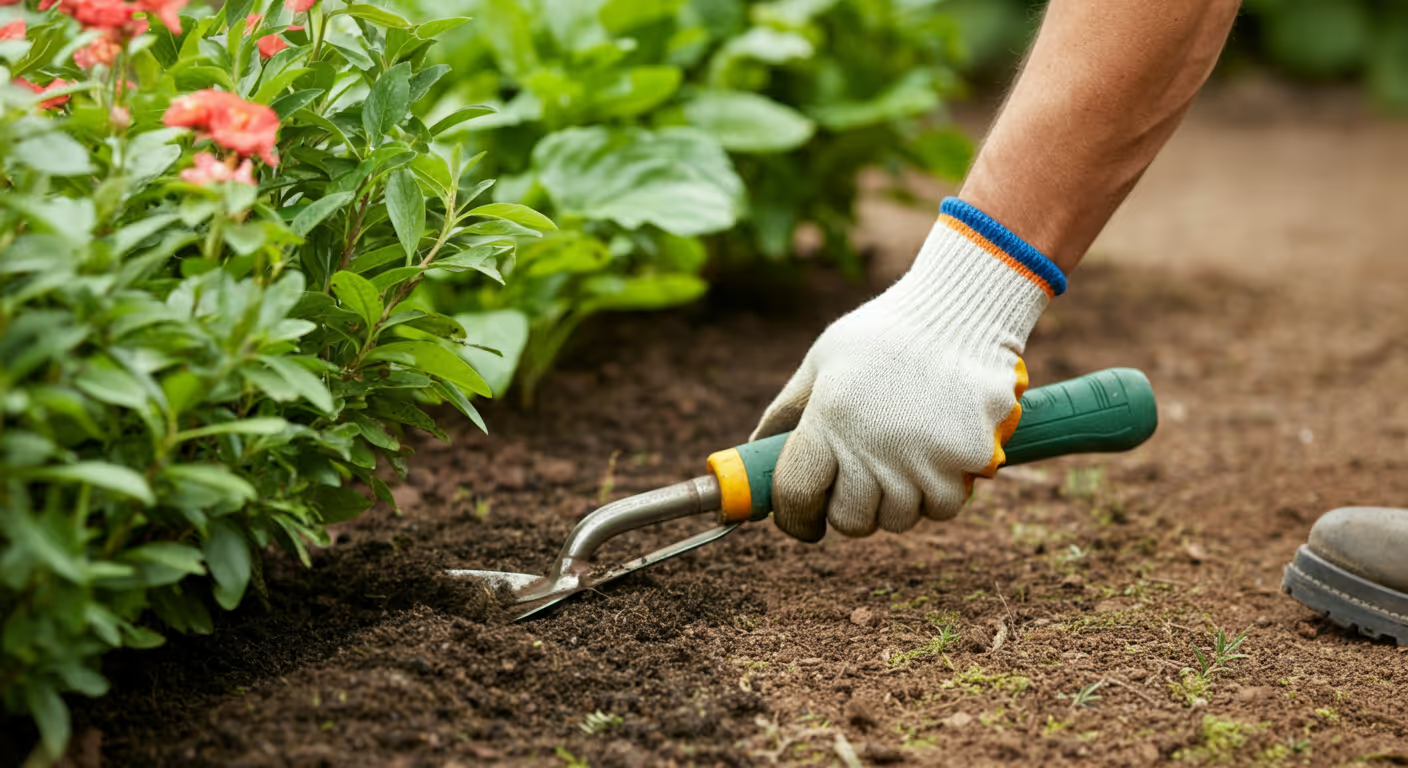
Thrive or Survive: Toronto's Soil is the Key to Your Gardening Success

Curiosities from a “brown thumb” gardener who’s married to a green thumb landscaper.
Recently we had to dig up the front of our home to waterproof our foundation. We have gardens that we work in, but I’ve always thought of soil as…well…soil. Dirt. Something plants either liked or didn’t.
So I was shocked to discover our house is built almost entirely on sand. Not sandy loam. Sandbox sand.
As a self-proclaimed “brown thumb,” I never gave soil much thought because my only experience with plants has generally been, “I kill them.” I figured people who could grow beautiful gardens had some sort of magical green-thumb superpower.
But this whole sand revelation made me wonder if gardening isn’t actually about magic at all. Maybe it’s more science than instinct.
So I did what any curious spouse would do and asked my husband, who happens to be an expert Toronto landscaper.
His answer? In Toronto, soil is incredibly diverse, and understanding what’s beneath your feet is one of the biggest factors in whether your landscape succeeds.
Built on sand
Our home, near High Park and the Humber River, sits on what was once part of the ancient Lake Iroquois shoreline. That’s why we have such sandy soil. The good news is sand drains exceptionally well, so standing water isn’t usually our biggest concern. Water moves through it quickly, which can reduce pooling around the house when drainage is designed properly.
The downside? Sand doesn’t hold nutrients very well. Every rainfall washes a little more away, so even the fertilizer and compost you add each year don’t stick around for long. If you garden in sandy soil, feeding your plants regularly and adding organic matter becomes part of the routine.
The clay problem
Travel across the city to areas around St. Clair West and you’ll find many properties with heavy clay soils.
Now you’ve got the opposite problem.
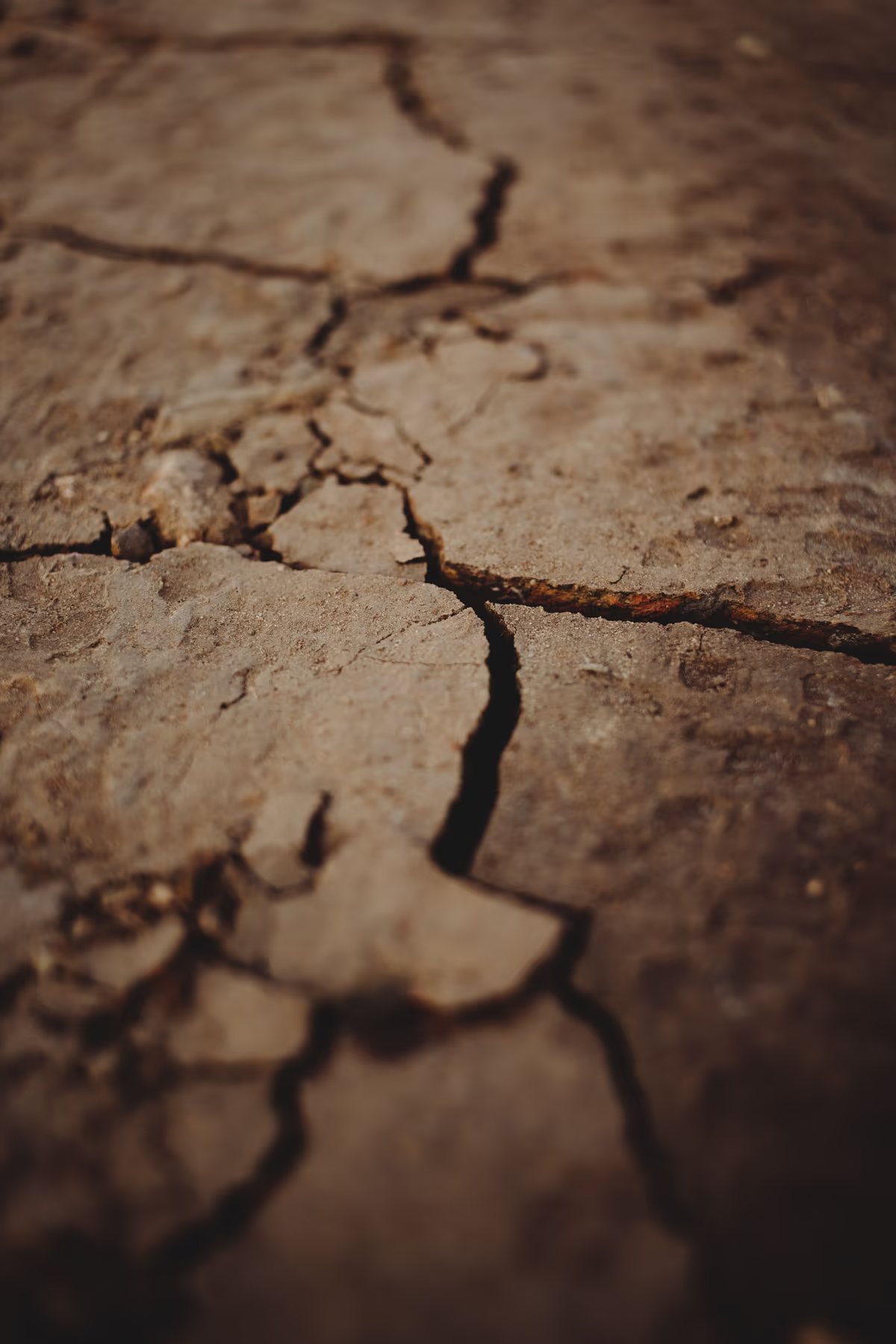
Clay actually contains plenty of nutrients, but it holds onto water so tightly that drainage becomes the challenge. When it’s wet, it expands. When it dries, it shrinks. If you’ve ever noticed deep cracks in the ground during a dry summer, you’ve probably been looking at clay.
Managing clay isn’t about fighting the water, it’s about directing it. Sometimes that’s done by reshaping the landscape, improving drainage, or amending the soil with organic matter. It’s also why drainage specialists, like my husband (who is Fusion-certified in stormwater management), spend so much time thinking about where water wants to go before they ever put a shovel in the ground.
A city of many soils
Other parts of Toronto have silty soils, which hold more moisture than sand but generally drain better than clay. And then there are neighbourhoods like the downtown core that’s been built on backfill, where previous construction has left behind a mix of imported materials that can be compacted and unpredictable.
In other words, two homes only a few blocks apart can have completely different soils and completely different gardening challenges.
What surprised me most is that healthy gardens aren’t just about choosing the right plants. They’re about understanding the ground those plants are trying to live in.
The beautiful gardens you see in neighbourhoods with decades-old mature trees often benefit from generations of decomposing leaves and organic matter enriching the topsoil. That doesn’t mean the native soil is perfect, but nature has been quietly improving it for years.
So what’s a “brown thumb” supposed to do?
Start by figuring out what kind of soil you have.
Then work with it instead of against it. Complicated soils probably require a Toronto landscaper. But almost every soil benefits from adding compost and organic matter. Sandy soils need help holding water and nutrients. Clay soils need help improving structure and drainage. And if you’re hoping those tiny nursery plants will someday become the lush shrubs in the catalogue photo, they need food.
It turns out growing things isn’t a superpower after all. Maybe I need to augment my ideas as well as my soil.
Sometimes it’s just understanding the dirt.
Keep Reading
.jpg)
Tips on Caring for Interlocking Driveways and Walkways in the Winter
Canadian winters are tough—not just on roads, but also on your property’s interlocking driveways, walkways, and stone features. Road salt, freeze-thaw cycles, and snow removal can lead to lifting, shifting, staining, and even cracking of these surfaces. To protect your investment through the winter months: Use plastic shovels and snow blower shoes Avoid chiseling at ice Apply ice melt sparingly Keep snow and ice buildup to a minimum Rinse salt and sand off driveways regularly Even with proper care, the longevity of your stonework depends heavily on quality installation. Landcare ensures every project is built to withstand the Canadian climate, using proper foundations, top-tier materials, and expert craftsmanship. Thinking about upgrading your landscape with interlocking stone? Contact Landcare at 647-557-7307 for a free consultation—and let’s build something beautiful and built to last.
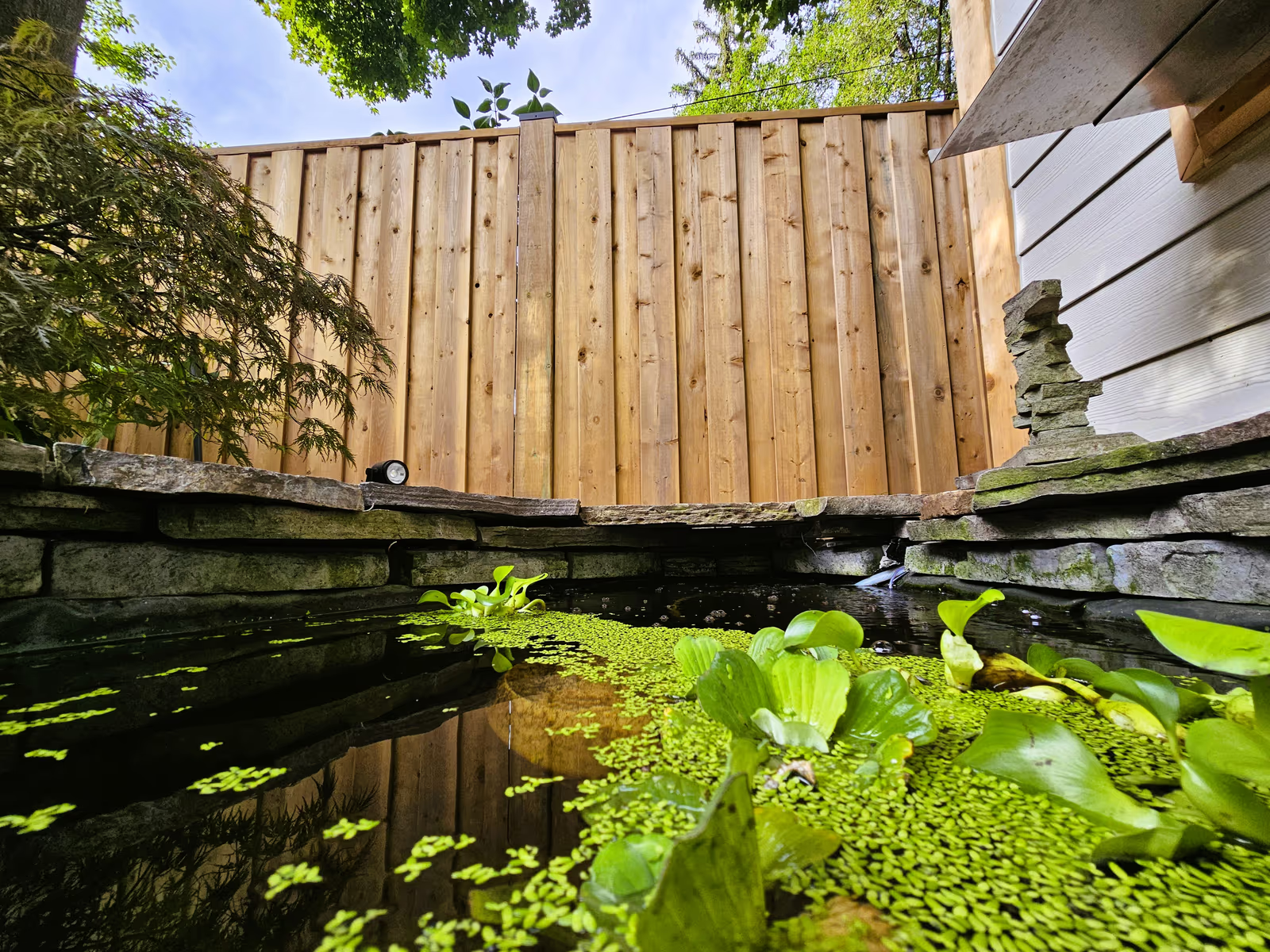
Water Features That Enhance Your Backyard Landscape
A backyard fountain can recreate the peaceful sights and sounds of nature while enhancing your landscape and creating a habitat for plants and wildlife. With a few basic materials and some creativity, homeowners can build a functional fountain themselves, or choose professional installation for a more customized result. Whether incorporated into a pond or used as a standalone feature, a water fountain adds beauty, relaxation, and value to any outdoor living space.
Transform Your Outdoor Space Today
With over 30 years of experience, Landcare is your trusted partner in creating stunning landscapes for both residential and commercial properties. Explore our comprehensive range of services designed to enhance your outdoor environment.