
Xeriscape Gardening: Drought-Tolerant Gardens for a Changing Climate
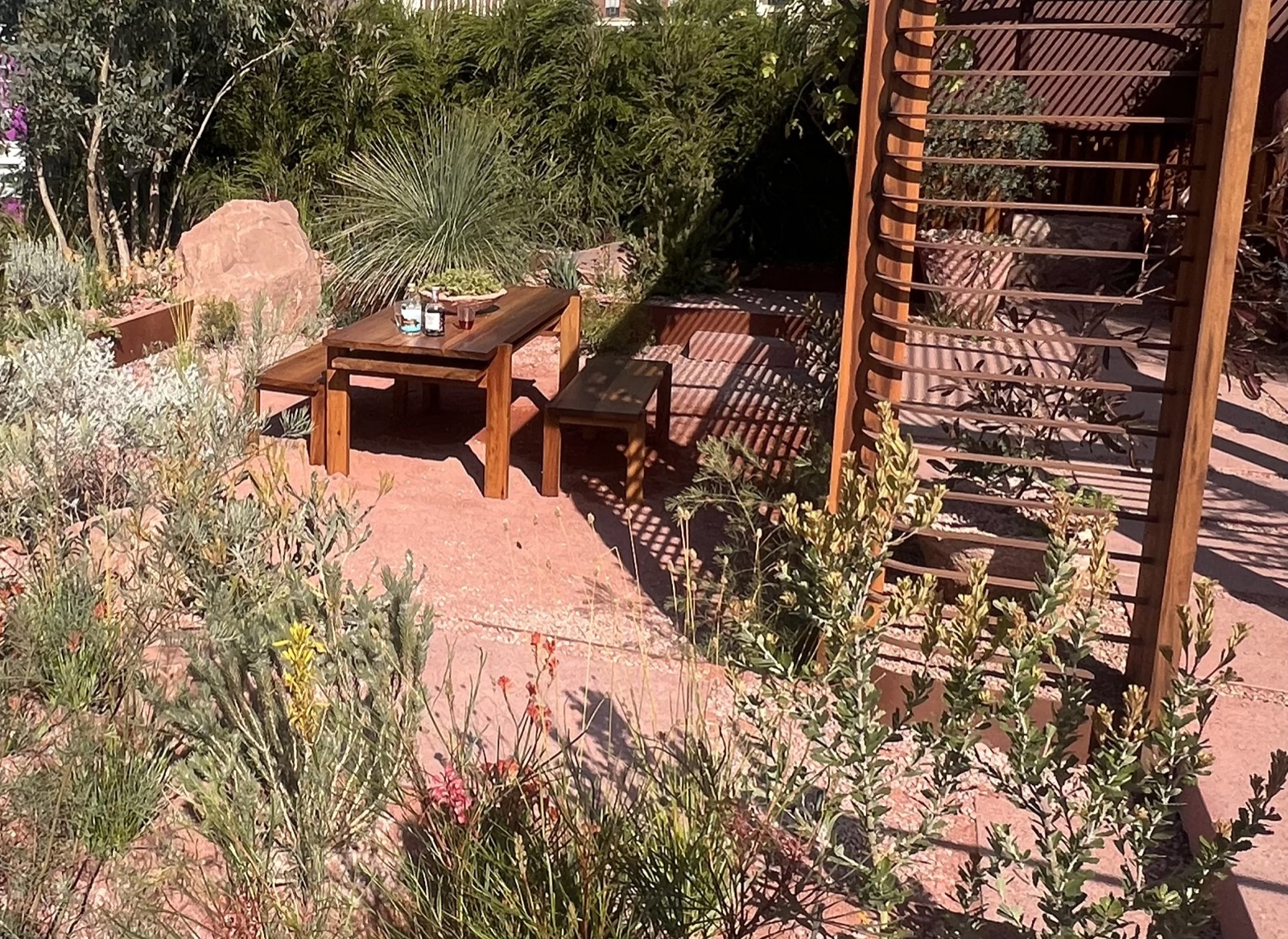
Like everywhere in the world, Ontario's climate is becoming increasingly unpredictable. Meeting nature where it's at is how we are able to use the best environmental practices. If water is scarce, we increasingly plant drought tolerant species. Slowly over time, new aesthetics develop and become popular. One example of this is "xeriscaping." Xeros in Greek means dry, and a xeriscape yard is one that has embraced the shortage of water and has intentionally been designed to reflect the beauty of a dry climate. This isn't a look that everyone has embraced, but working with low-water plants and different mulches (often stone) can result in gorgeous landscapes.
These types of gardens are typically found in American states that have strict water restrictions or shortages. But we can embrace aspects of these types of gardens in Ontario to help reduce our water and fertilizer usage. If you have a property that is full sun and is challenging to keep watered, this might be an aesthetic best suited to your property. Getting rid of your bright green lawn is the first step in xeriscape. Instead of grass you might now have stone and/or other mulching with drought tolerant and often sun-happy plants placed to create walkways, sitting areas and dining areas. The shrubs and plants are the structure, along with supportive/defining hardscaping. The addition of large containers with trees or flowers that can add height and groupings help to soften the more minimal style landscape.
Ontario has a number of drought tolerant native species that would suit this xeriscape style. Believe it or not, we have a couple of native species of cacti in Ontario that would thrive in a xeriscape garden. The Eastern Prickly-pear Cactus (Opuntia cespitosa) is currently labeled as endangered, but in the right location it can thrive and bloom yellow flowers through June. Other plants that are drought tolerant and ideal for a xeriscape design are:
Species marked with a leaf are native to Ontario.
- Blue star (Amsonia tabernaemontana) (A. hubrichtii)
- Yarrow (Achillea millefolium) — this plant can be aggressive and persistent
- Pearly everlasting (Anaphalis margaritaceae)
- Golden marguerite (Anthemis tinctoria)
- Silver sage, wormwood (Artemisia ludoviciana)
- Butterflyweed (Asclepias tuberosa)
- False indigo, wild indigo (Baptisia australis)
- Perennial cornflower (Centaurea montana)
- Red valerian (Centranthus ruber)
- Lanceleaf coreopsis (Coreopsis lanceolata)
- Threadleaf coreopsis (Coreopsis verticillata)
- Seakale (Crambe cordifolia)
- Pale purple coneflower (Echinacea pallida)
- Purple coneflower (Echinacea purpurea)
- Sea holly (Eryngium species)
- Rattlesnake master (Eryngium yuccifolium)
- Blanket flower (Gaillardia x grandiflora)
- Knautia, scabious (Knautia macedonica)
- Lavender (Lavandula angustifolia)
- Slender blazing star (Liatris cylindracea)
- Flax (Linum perenne)
- Rose campion (Lychnis coronaria)
- Evening primrose (Oenothera biennis) — biennial
- Prickly pear cactus (Opuntia compressa)
- Poppy (Papaver species)
- Beard-tongue (Penstemon digitalis)
- Hairy penstemon (Penstemon hirsutus)
- Russian sage (Perovskia atriplicifolia)
- Prairie coneflower, gray-headed coneflower (Ratibida pinnata)
- Black-eyed Susan (Rudbeckia hirta)
- Orange coneflower (Rudbeckia fulgida 'Goldsturm')
- Perennial salvia (Salvia nemorosa hybrids)
- Compass plant (Silphium laciniatum)
- Goldenrod (Solidago speciosa, S. rigida)
- Heath aster (Symphyotrichum ericoides)
- Adam's needle (Yucca species)
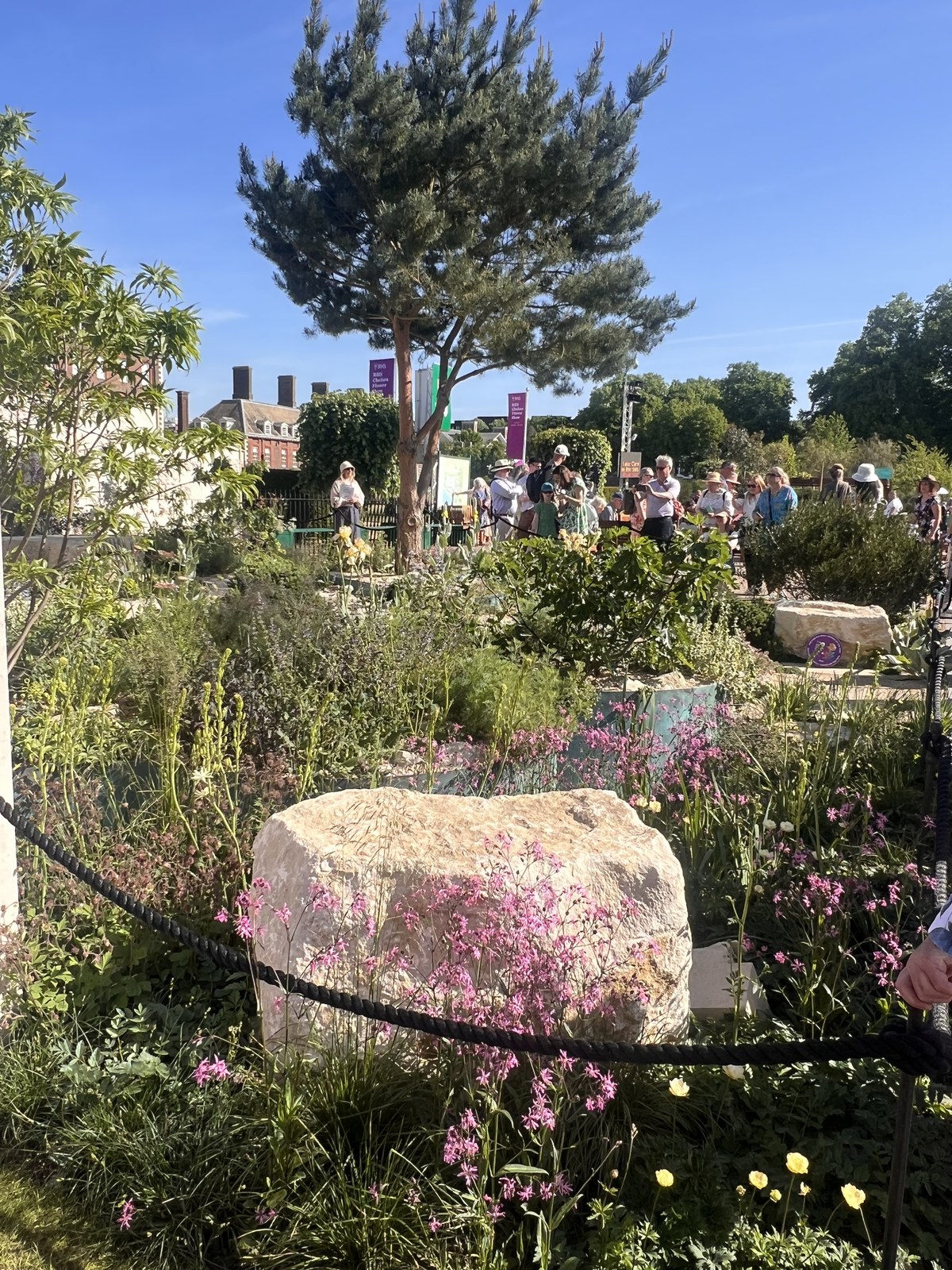
The biggest benefit of xeriscaping is water conservation and reduced maintenance. There is no doubt that these gardens require much less time and effort to maintain than a traditional yard, and they will reduce your water bill. Where you may have enjoyed the variety of greens in a traditional yard, you might now appreciate the shapes and architectural aspect of the xeriscape property.
Curious whether a drought-tolerant or xeriscape design would suit your property? Contact us to start a landscape design that works with Toronto's changing climate, not against it.
Keep Reading
A Guide to Your Boxwood Health
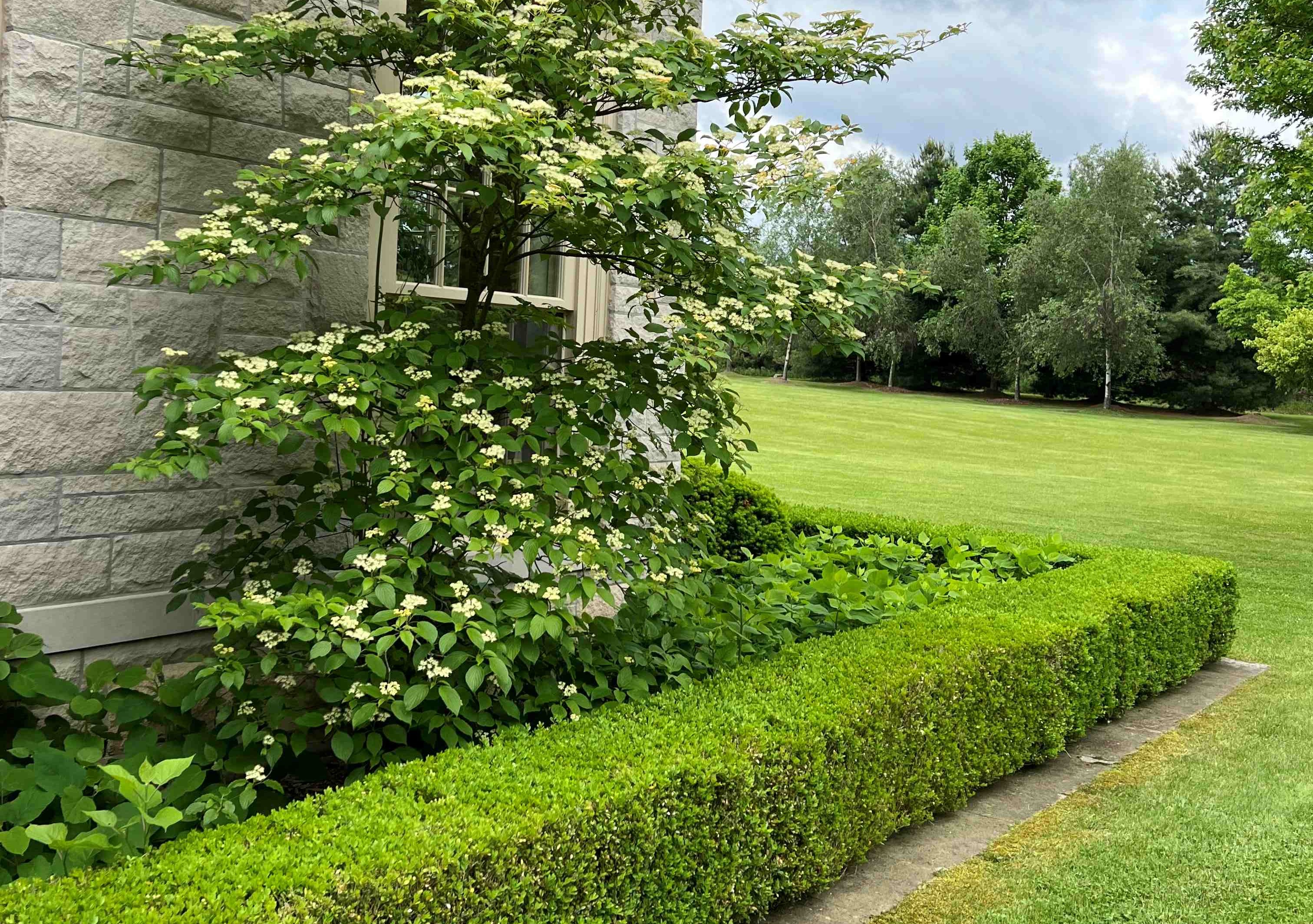
A Guide to Your Boxwood Health Boxwood is a classic and elegant plant beloved for its ability to provide structure and definition in gardens, often replacing hardscape elements. However, since 2020, Toronto gardens have faced serious threats to boxwood health, including pests like boxwood psyllids, leafminers, spider mites, and the invasive box tree moth, as well as the destructive fungal boxwood blight. Boxwood psyllids cause curling leaves and white cottony patches, manageable by pruning and insecticidal soap. Leafminers create blistered leaves; early detection and pruning are key, while proper disposal prevents spread. The box tree moth, a significant pest from East Asia, defoliates plants rapidly through its caterpillars, requiring regular inspection, pruning, and targeted sprays. Boxwood blight, a fungal disease, spreads quickly with no cure, often necessitating plant removal. Given these challenges, many gardeners are turning to alternatives. Recommended replacements include hardy yews like Hicks or Hills Yew and Stonehenge Dark Druid Yew, native inkberry holly, Japanese holly, and even structured shrubs like Knock Out® roses. These substitutes offer similar aesthetics with easier maintenance and greater resilience. Maintaining boxwood health demands vigilance, timely intervention, and sometimes choosing robust alternatives to keep your garden thriving.
.avif)
Landscape Trends: A Comprehensive Guide to Landscape Ideas That Last
In 2025, gardening focuses on sustainability, climate resilience, mental wellness, and personal creativity. Homeowners and designers are increasingly embracing eco-friendly practices such as replacing traditional lawns with drought-tolerant native plants, integrating edible plants alongside ornamentals, and using reclaimed materials for hardscaping. Rain gardens and compost-enriched soil beds are popular for improving water retention and supporting carbon sequestration. Shade remains a valuable feature as summers grow hotter, with a trend toward planting a mix of fast-growing trees for quick cover and legacy trees for lasting benefits. Investing in mature trees helps achieve effective shade sooner. Wildlife-friendly gardens are also gaining popularity, designed to support pollinators and birds through nectar-rich native plants, sheltering shrubs, birdhouses, and water features, while avoiding invasive species. Vertical gardening has become a favored solution for small spaces, using structures like trellises and pergolas to expand planting areas and add privacy, allowing for vines, herbs, and compact fruits to thrive on balconies, patios, and narrow yards. Wellness and hobby-focused garden spaces are increasingly common, with features like yoga decks, meditation nooks, outdoor showers, fire pits, and creative studios providing places for relaxation and enjoyment. Technology is playing a bigger role, with smart irrigation systems, automated lighting, and app-controlled garden devices improving efficiency and convenience. Inspired by the Japanese practice of forest bathing, many gardens now incorporate naturalistic planting with meandering paths and layered native vegetation to foster mindfulness and a deeper connection to nature. Overall, gardens in 2025 are designed to be practical and purposeful, offering personal enjoyment while promoting environmental health and resilience.
Transform Your Outdoor Space Today
With over 30 years of experience, Landcare is your trusted partner in creating stunning landscapes for both residential and commercial properties. Explore our comprehensive range of services designed to enhance your outdoor environment.